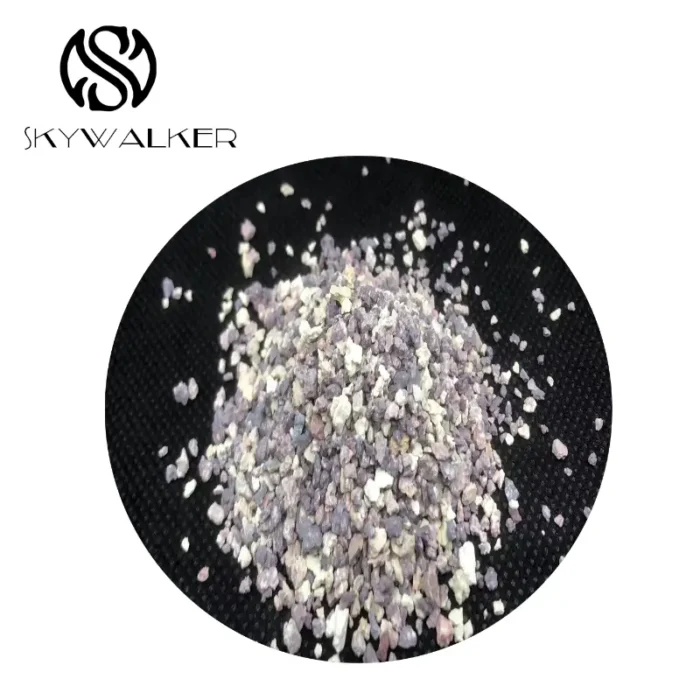
Decoding prepared lightening clay entails a deep scrutiny of its qualities. This unusual object is commonly used in the filtration of vegetable oils, expertly removing unwanted matter. The activation procedure typically involves electrical treatment, improving its binding efficacy to capture colored agents. Conclusively, this guide will investigate the theories behind refined bleaching soil and its applications.
Lightening Mineral Providers: Identifying the Perfect Collaborator
Obtaining a credible distributor of bleaching earth is essential for many fields, particularly those involved in oil refining. Picking the suitable source requires exhaustive consideration beyond just sum. Evaluate their track record in adsorbent provision, their regulation procedures, and their efficiency to consistently meet your quantity needs. A trustworthy bleaching earth source will also offer consultation and a choice of qualities to match your customized application.
Certain Foundation Behind Improved Detoxifying Soil
Prepared bleaching soil, a cornerstone in the refining process for edible oils, functions through a fascinating blend of physical and chemical interactions. Initially, naturally occurring bentonite is activated – a procedure involving heat and chemicals – to drastically increase its surface span. This expanded surface yields an immense number of points for the particular adsorption of color pigments, blemishes, and adverse odor compounds. The mechanism is primarily surface attraction, where molecules are held by weak van der Waals contacts, though some ionic adsorption can also arise with certain materials. This results to a significant reduction of color and advancement of the oil's condition and bouquet.
Purifying Material - Properties and Benefits
De-colorizing compound, frequently called kaolin, reveals unique traits that enable it greatly prized across diverse spectrum of branches. Its foremost attribute is its extraordinary whiteness, coming from its small oxide degree. This aspect renders it advantageous for employments needing a luminous presentation. Aside from its complexion, purifying clay: earth is frequently gentle and retains superior plasticity, supporting it to be simply sculpted. Frequent applications contain writing assembly, plastic improvement, therapeutic solutions, aesthetic products, and as an capacity-enhancing substance in numerous manufacturing systems. Furthermore, it finds deployment in ceramics and lacquer branches.
Choosing the Appropriate Processed Lightening Earth for Individual Aims
Picking the right bleaching clay can be a intricate oil decolorizing clay activity, as multiple applications need different properties. Evaluate the class of oil you’re refining; some compounds are improved for plant oils, while alternative types are customized towards fish fats. Criteria like permeability and bleaching power substantially influence productivity.
- Analyze the color and smell magnitude of the ingredient to recognize the required clarification amount.
- Analyze the range; little particles generally offer increased surface area, but may create screening challenges.
- Perceive the wetness proportion as it conditions the clay’s purifying capability.
Bleaching Earth: Manufacturing Processes and Quality
The creation of bleaching earth, a widely utilized factor for oil refining and chemical purification, involves several key intervals. Initially, chlorite is collected and then subjected to alteration via heat effect and/or chemical change. This technique enhances the retentive properties of the substance. Later, rigorous grade checks are implemented, embracing calculations of component size allocation, oil adsorption performance, and hydration ratio. High-tech analytical tools, such as gas adsorption analysis and standardized examination, are exploited to validate a steady output that meets stringent guidelines.
Renewable Sourcing of Refined Bleaching Soil
The climbing demand for activated bleaching earth presents a major challenge regarding its production and environmental repercussion. Customary sourcing methods can lead to habitat deterioration and drainage of natural resources. Consequently, a move towards sustainable sourcing is indispensable. This involves adopting practices like replanting of mined areas, capitalizing on waste scraps from other industries for assembly, and engaging regional communities to support ethical and conscientious mining conduct. Furthermore, accreditation schemes and rigorous evaluation processes are required to authenticate that the clay is secured in a truly environmentally sound manner. Matters should also include minimizing heat consumption during refining and aqueous medium usage.
- Replanting efforts
- Recycling waste materials
- Supporting local communities
- Accreditation schemes
Detoxifying Substance Partner List: Foremost Companies Positioned
Obtaining a trustworthy mineral vendor can be a challenge, but our comprehensive catalog aims to expedite the process. We’ve carefully collected data and indexed leading companies in the bleaching earth market. This manual highlights distinguished producers known for their product and aid, allowing users to locate the preferred source for their individual needs. Various factors, including output volume, selection, and endorsements, were examined in determining these top placements.
Fathoming Activated Bleaching Earth Performance Metrics
To competently appraise the performance of activated bleaching earth, it’s important to comprehend key functional metrics. These criteria often include color grade, typically measured using a analyzer, which exhibits the earth’s ability to remove color from oils. In addition, acid content is vital, as it impacts the bleaching process; a higher degree usually associates with improved refinement capabilities. Finally, retentive area, often examined via BET analysis, markedly impacts the earth’s capacity to collect colorants, ultimately guiding its overall detoxifying performance.